
Why I'm building Ora DJ
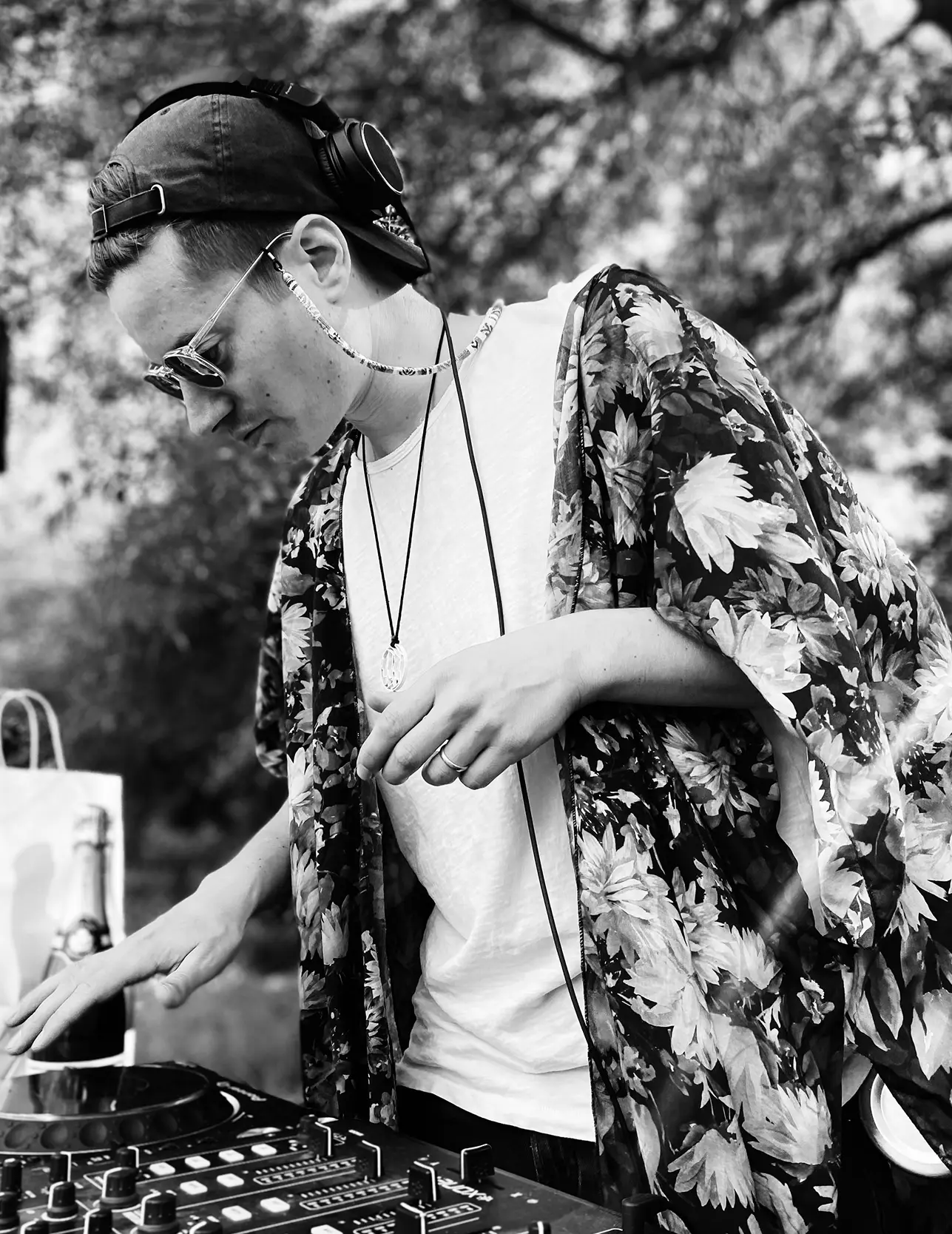
A note from Yannick, founder of Ora DJ.
Two tracks sound good together, and suddenly you have an idea for a set. You start looking through your collection, trying a different opening, listening for where it could go next. An hour passes without you noticing.
That's the feeling I want Ora DJ to help make room for.
I love music, and I've spent the last decade building software products. Those two parts of my life meet here: I want preparing and playing a set to feel as absorbing as finding the music in the first place.
Software has a lot to do with whether that happens. A small delay can interrupt a thought. An unclear button can turn a simple task into a detour. Repeat that across an evening, and it changes how the work feels.
I'm building Ora DJ with particular care for those everyday moments. Finding a track. Tagging a new batch of music. Moving something in a set and hearing whether it works. The things you do hundreds of times deserve careful design.
I want the controls to become familiar enough that you stop thinking about them. When you do something, the response should be immediate and clear. Where a repetitive step can be handled reliably by the software, it should be.
That care needs to extend across the whole workflow. My ambition for Ora DJ is one place to work with your collection, develop a set, rehearse it, and get it ready to play out. Each part should connect naturally to the next, with room to follow an idea back into your library and change your mind.
Building this means questioning familiar ways of doing things, starting with what you're trying to achieve and working out how the software can help.
Ora DJ is still taking shape. These are the standards I'm building towards, and the details are where they get tested.
Try it with a set you're working on. Tell me where you lose your train of thought, or which task you keep putting off. I want to hear about those moments.
Plan your next DJ set before you play it.
Every desktop feature, unlimited tracks. Get started with Ora Free.